Singapore is a vibrant metropolis where ancient folklore uniquely intertwines with modern life, creating a rich tapestry of urban myths and highlighting Singapore’s environmental conservation efforts that intrigue both residents and visitors. The tales range from haunted MRT stations to legends surrounding cursed apartment blocks, each story reflecting deeper societal fears and cultural tensions present in this rapidly changing environment, influenced by urban planning and water management challenges. By exploring these urban myths, one can gain insight into Singapore’s national identity, bridging the gap between its past and present, aligning with the Sustainable Singapore Blueprint, while showcasing the enduring power of storytelling in a fast-paced world. This dynamic city-state offers a fascinating relationship between folklore and urban development, supported by community engagement and environmental conservation, inviting exploration and reflection.
Key Takeaways:
- The rapid modernization of Singapore has influenced the creation and evolution of urban myths, reflecting the nation’s changing identity and society.
- Cultural tensions and societal fears are reflected in popular urban myths, showcasing the complexities of Singapore’s diverse population, rapid development, and the efforts in sustainability.
- Urban development and local storytelling traditions have a strong connection, as seen in the prevalence and themes of urban myths in Singapore, underscored by nature-based solutions.
Introduction to Singapore’s Urban Myths
Singapore, a dynamically city-state renowned for its swift modernization and urban development, also hosts a rich array of urban myths that mirror the cultural tensions and societal fears of its inhabitants. From tales of haunted MRT stations to the legends surrounding cursed residential blocks, these narratives have woven themselves into the local identity, providing both entertainment and a way for people to cope with the transformations brought about by economic growth and urban planning. The urban myths of Singapore beautifully highlight the intersection of folklore and modernity, showcasing how local storytelling traditions evolve to address contemporary challenges, such as climate change and sustainability.The Impact of Rapid Modernization on Folklore
The rapid modernization of Singapore has had a profound impact on its folklore, as traditional stories adapt to reflect the evolving landscape and societal values that accompany urban development. As the bustling metropolis continues to expand, new urban myths emerge, often intertwining the past with the present, reflecting the Sustainable Singapore Blueprint. A notable example is the tale of the Headless Chicken Rice Seller, which has transitioned from local ghost stories into a modern urban legend. This particular narrative has gained popularity among younger generations, especially as they encounter it through social media platforms. Additionally, discussions about folklore increasingly incorporate narratives surrounding sustainable practices within the city. These stories often emphasize the positive effects of green buildings and eco-friendly urban planning on community spirit. Residents share fascinating tales of magical gardens flourishing amidst towering high-rises, and legends about community efforts to preserve nature help to foster a strong sense of local pride. Therefore, it becomes evident that as Singapore embraces modernization, its local folklore evolves alongside these changes, providing a valuable lens through which societal transformations can be examined and understood.How Cultural Tensions Play a Role in Urban Myths
Cultural tensions in Singapore, arising from its diverse population and rapid development, significantly influence the urban myths that resonate with the collective identity of its people. As different communities interact, a rich tapestry of stories develops, intertwining local legends that often reflect deeper societal issues and shared experiences. These urban myths serve not only as cautionary tales but also as a means for individuals to navigate their cultural identities. Such narratives encapsulate the hopes, fears, and values of the populace, enabling individuals to find common ground despite their differences. For example, the infamous tale of the “Pontianak” underscores fears related to the supernatural, while also addressing societal concerns about the roles of women and the impact of climate change. Likewise, the story of the “Hantu Paku,” a ghost that haunts those who disrespect the land, highlights the significance of environmental stewardship. By exploring these urban legends, it becomes clear how they engage community members and foster a sense of belonging among diverse cultural groups.The Connection Between Urban Development and Folklore
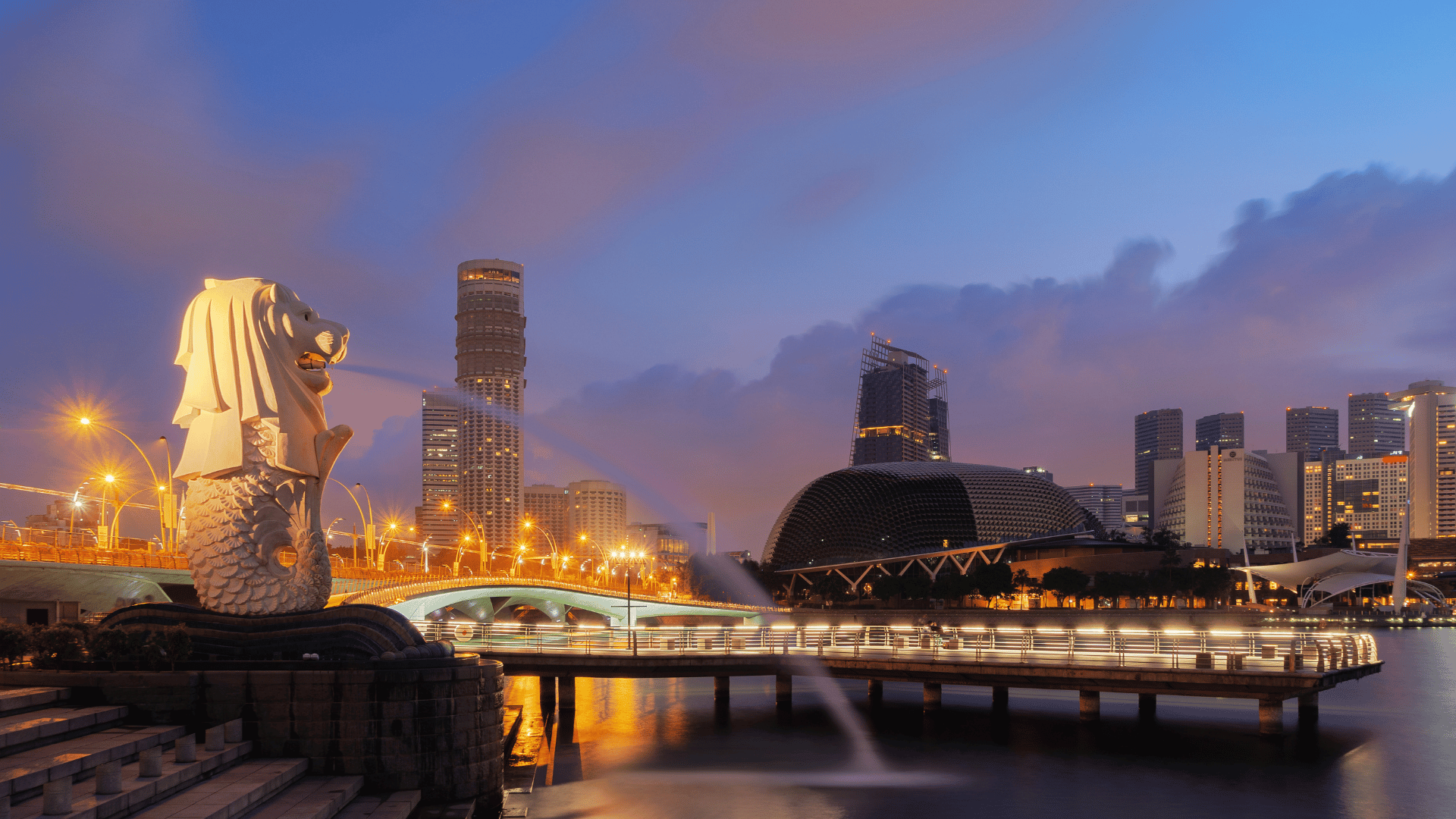
The connection between urban development and folklore is quite apparent in Singapore, where the city’s rapid expansion significantly influences the narratives that shape its cultural landscape. As the city evolves with its impressive skyscrapers and innovative infrastructure, local folklore interweaves with these contemporary initiatives, such as the initiatives supported by the Sustainable Singapore Blueprint, illustrating a distinctive relationship. Folklore in this dynamic metropolis is not simply a relic of the past; rather, it serves as an evolving narrative that reflects the challenges and successes associated with urbanization. Many of these stories now highlight the importance of integrating sustainable practices, such as those outlined in the Research Innovation and Enterprise 2025 Plan, where mythical creatures protect not only the realm of tradition but also the environment. For example, tales of the Pulau Ubin spirits encourage community members to take an active role in preserving local green spaces and supporting nature-based solutions. Similarly, the legend of the Merlion has adapted to encompass narratives surrounding marine conservation efforts. These narratives foster a deeper appreciation for nature-based solutions in urban planning, serving as a reminder to residents of their roots amid the ongoing transformation of their city.Societal Fears Reflected in Urban Myths
Urban myths in Singapore often reflect societal fears associated with rapid urbanization, illustrating how folklore can serve as a mirror to the anxieties of a changing society. As this city-state embraces modernity and pursues economic growth, these tales frequently reveal deep-seated concerns about the impact of urban development on both the community and the environment. For example, iconic locations such as the Bukit Brown Cemetery have become the setting for numerous ghost stories that resonate with fears about the erosion of history and heritage in the face of relentless construction. These narratives underscore the tension between progress and preservation, prompting critical questions about disenfranchisement and the health of the natural world.- The legend of the “White Lady” haunting local hotels has long intrigued both residents and tourists, serving as a reminder of the unseen consequences of development.
- Similarly, the tale of cursed developments evokes apprehensions about what might be sacrificed in the pursuit of progress.
Local Storytelling Traditions and their Influence on Urban Myths
Local storytelling traditions in Singapore play a crucial role in shaping urban myths, offering a cultural framework for communities to articulate their shared experiences and fears. These narratives are not just simple tales; they serve as a vital expression of cultural heritage that resonates across generations. Each story encapsulates the values, struggles, and aspirations of the community, often weaving moral lessons into real-life encounters. As these stories are handed down through generations, they evolve to reflect the changing societal landscape while retaining their core essence. This ongoing adaptation fosters resilience, demonstrating how communities tackle modern challenges. It also encourages engagement among diverse cultural groups, enhancing mutual understanding. Through festivals and social gatherings, individuals gather to share these stories, ensuring that the rich tapestry of urban myths remains an essential part of their collective identity.Case Studies of Popular Urban Myths in Singapore
Examining case studies of popular urban myths in Singapore reveals a complex relationship between local culture and modern development. Stories like the haunted MRT stations and cursed blocks capture the nation’s unique identity. This intriguing interplay between folklore and urban life not only provides entertainment but also reflects societal fears, collective experiences, and aspirations, and underscores the commitment to the Sustainable Singapore Blueprint. For example, the legend of the haunted MRT stations emerged during a period when rapid development disrupted traditional lifestyles, giving rise to numerous ghostly tales among commuters, and highlighting the need for innovative approaches in urban planning.- One notable instance is the legend of the Bukit Brown Cemetery ghost train, which highlights concerns about modernization encroaching upon sacred spaces.
- Similarly, stories surrounding cursed blocks often emphasize the community’s response to the challenges associated with life in high-rise apartments and the role of the private sector in addressing these challenges.
- These narratives thrive within local circles, illustrating how myths can serve as a form of cultural resistance to rapid urbanization.
Analysis of the Themes and Messages in These Myths
An analysis of the themes and messages embedded in Singapore’s urban myths provides valuable insights into the cultural identity and societal values of its people, aligning with the Sustainable Singapore Blueprint that focuses on preserving heritage through energy efficiency and green coverage. These myths often function as cautionary tales, reflecting deep-seated fears and acting as a mirror to societal concerns. For example, tales involving spirits and supernatural encounters frequently highlight a collective anxiety surrounding the unknown and the unseen. This prompts discussions about accountability and respect for heritage. Additionally, the recurring theme of resilience in these stories demonstrates the community’s unwavering spirit, illustrating how individuals confront challenges and adversity.- Fear: This aspect appears in many urban legends, emphasizing discomfort with change or the unknown.
- Caution: Urban myths frequently serve as advisory tales, warning against specific behaviors or choices.
- Resilience: Ultimately, these narratives reveal an inherent strength, depicting heroes who triumph over obstacles.
The Evolution of Urban Myths in Singapore
The evolution of urban myths in Singapore exemplifies the dynamic relationship between modernization and cultural shifts, highlighting how folklore adapts to the ever-changing urban environment. This adaptability is particularly noticeable when considering how these stories have transformed with each wave of new technology and societal change. As the nation transitioned from a fishing village to a bustling metropolis, the narratives naturally evolved, reflecting the nation’s transformation. For example, while earlier tales might have centered around spirits haunting old villages, contemporary accounts often feature ghostly apparitions in high-rise buildings or even within shopping malls. This shift points to a broader narrative where community anxieties regarding rapid urbanization and technological advancements are expressed through urban myths. The rise of social media has significantly contributed to the dissemination of these stories, enabling them to reach wider audiences and adapt more swiftly. With each retelling, the myths gain new dimensions, creating a rich tapestry that both entertains and mirrors contemporary life.Conclusion: The Significance of Urban Myths in Understanding Singapore’s Growth and Identity
Urban myths provide a valuable perspective for understanding Singapore’s growth and cultural identity. They reflect the experiences and fears of its people amidst the rapid pace of modernization. These intriguing narratives do more than entertain; they offer insights into the collective anxieties and values of society, highlighting the delicate balance between tradition and change. As technology progresses and societal norms shift, urban myths often arise to address the uncertainties that come with these transformations. By analyzing these stories, one can uncover how they shape perceptions and articulate the unique challenges faced by the community. Engaging with these myths fosters a sense of connection among Singaporeans, encouraging conversations about their cultural heritage.- Urban myths reflect evolving societal values, similar to Corporate Social Responsibility initiatives.
- They bridge the gap between tradition and modernity.
- They enable community bonding through shared narratives.